
REGULAR PUMPING OF YOUR SYSTEM IS VITAL
INDOOR MAINTENANCE FOR YOUR SYSTEM
Conserve water. Fix leaks and drips. If you replace old fixtures, install new "low flow" types.
Do not overload the system — this is the primary cause of system failures. Early morning and bedtime are peak water use times in the bathroom. Run dishwashers and washing machines at other times of the day. Don't do all the family laundry in one day.
Do not use a garbage disposal or dump coffee grounds in the sink. Increasing the load of solids into the tank decreases the capacity and shortens the interval between pumpings.
Do not pour fats and oils down the drain. They can build up and clog the septic tank pipes. Put paper towels, tissue, cigarette butts, disposable diapers, sanitary napkins, tampons and other material in a trash can, not the toilet.
You do NOT need to add any commercial products or yeast to your system. Additives do not improve how well your system works. There are always plenty of natural bacteria available to do the job. (They come from YOUR digestive system.) In fact, additives can damage your system by breaking up the sludge and scum layers, causing them to flush out of the tank and clog the infiltration bed. Additives that say "Never worry about pumping your septic tank again" are the worst! A well maintained system will be pumped every 3-5 years.
Use normal amounts of detergents, bleaches, drain cleaners, household cleaners and other products. Avoid dumping solvents like dry cleaning fluid, pesticides, photographic chemicals, paint thinner, or auto products down the drain.
ESTABLISH RULES FOR PROPER USE
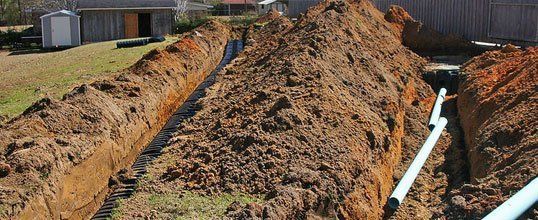
OUTDOOR MAINTENANCE FOR YOUR SYSTEM
Direct down spouts and runoff away from the septic field to avoid saturating the area with excess water.
Dense grass cover and other shallow rooted plants are beneficial over a septic field. However, do not plant trees because large plant roots can clog or break the pipes.
Avoid compacting the soil over the drain field area. Do not drive or park vehicles over the area and don't build a shed or driveway in this area. These activities can also crack pipes or cause the distribution box (if applicable) to settle unevenly, meaning that effluent will only flow into part of the drain field.
Tanks need to be pumped every three to five years, depending on use. Tanks with filters should have the filter cleaned yearly. If the tank gets too full, particles of scum or sludge will flush out of the tank. This material will clog the drain tiles and cause the septic system to fail.
Hire a licensed SEPTIC professional to pump the waste out of your tank. The tank should be pumped out through the manhole, not the smaller inspection ports or clean out pipe. The tank should be cleaned completely, leaving nothing in the tank. Make sure the baffles are inspected and that the tank is checked for deterioration.
Affordable Rates on Tank Pumping! Call today to Schedule!
251-634-4855